

Caribbean Strengthens Renewable Energy Financing Frameworks as CEW 2027 Approaches
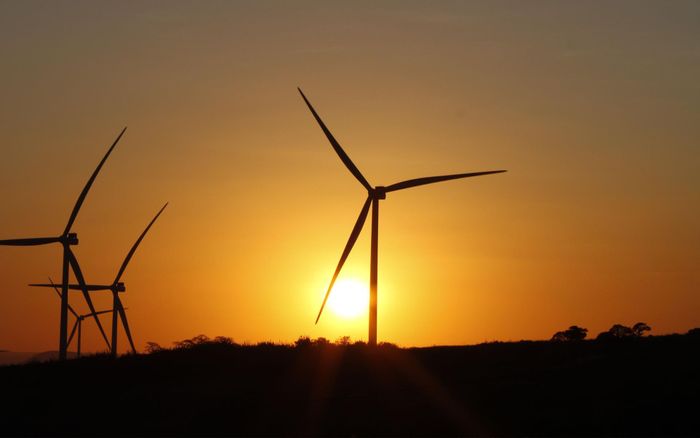
Sponsored by the CARICOM Development Fund, with JMMB Securities Ltd serving as lead arranger and technical backing from the Climate Bonds Initiative, the instrument targets investments in renewable energy, strengthening regional energy security.
Financing frameworks such as this will be a major focus at Caribbean Energy Week (CEW) 2027, taking place July 13–15 in Georgetown, Guyana, where regional stakeholders and global financiers will convene to discuss emerging investment opportunities within the energy sector.
The bond aims to mobilize up to $250 million for climate-resilience investments, potentially expanding financing options for eligible renewable energy and infrastructure projects. This issuance expands on a strong foundation of climate financing across the region, where cumulative social, sustainability-linked and blue bond issuances reached $2 billion between 2019 and 2024.
The bond rollout complements broader multilateral programs focused on de-risking capital investments and deepening regional integration. In June 2026, the Caribbean Development Bank introduced the Caribbean Regional Electricity Grid Interconnection and Renewable Energy Scaling Initiative, establishing technical, economic and regulatory arrangements to facilitate cross-border power trading and scale clean generation.
In parallel, the World Bank-backed Caribbean Resilient Renewable Energy Infrastructure Investment Facility (RREIIF) is deploying a $30 million fund to unlock $120 million in commercial co-financing across Grenada, Saint Lucia, and Saint Vincent and the Grenadines. By providing partial credit guarantees that cover 50% to 75% of commercial bank loans, RREIIF allows developers to secure longer repayment terms and lower borrowing costs.
International initiatives are further accelerating this pipeline, with the UK-funded Caribbean Regional Platform and Global Clean Power Alliance Finance Mission mobilizing foreign and domestic capital to translate climate commitments into bankable, investor-ready energy and transport projects.
Together, these frameworks illustrate an evolving regional financial architecture that blends capital mobilization and credit enhancement to speed project delivery. CEW 2027 will convene Caribbean energy leaders and international financial institutions under the theme Unlocking the Caribbean Energy Corridor: Oil, Gas, LNG & Investment for a New Global Hub to examine how complementing regional financing instruments with international capital can unlock the region’s energy sector growth.
Additional details, registration, and sponsorship opportunities are available at www.caribbeanenergyweek.com.